


Where Is the Psoas Muscle? A Simple Anatomy Guide
Where is the psoas muscle? Deep in the belly, running along the front of the lower spine down to the thigh bone. Its partner, the iliacus, lines the inside of the hip bone. Together they are the iliopsoas: the main hip flexor unit, helped by several other muscles. This is a plain-English tour of the anatomy.
In This Article
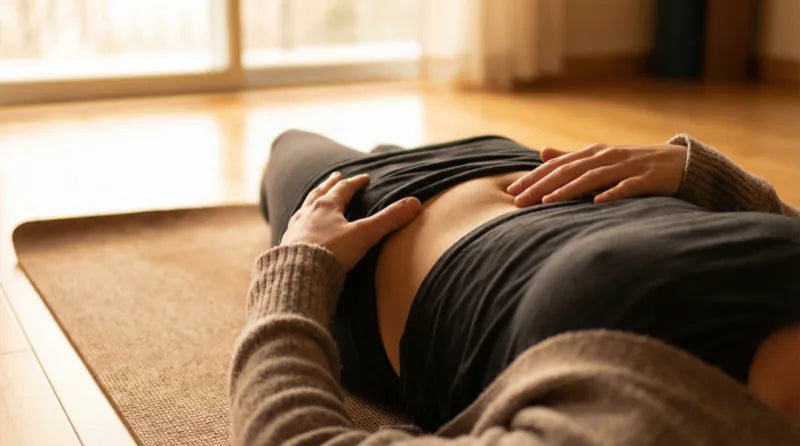 The psoas sits deep in the abdomen, right against the front of the lumbar spine.
If you landed here, you probably want to know where the psoas muscle is and what it does. Or maybe someone mentioned the iliacus or the iliopsoas, and the names ran together.
This guide covers both. Where they are, what they do, and what sitting changes — in plain words, no medical degree needed.
Where Is the Psoas Muscle?
So, where is the psoas muscle? The psoas major, said SO-az, is a long, thick muscle deep in the belly. It runs from the front of the lower spine down to the top of the thigh bone.
- Starts at: the bones along the lower spine
- Ends at: a bony bump on the inside of the upper thigh bone
Think of it as a rope tying the lower back region to the leg, running through the middle of the body. It works with several other hip flexors, and its closest partner is the iliacus.
You cannot feel it from your back. It sits deep, right against the front of the spine, behind the belly organs. That is too deep to find from the outside. Pressing into the belly is not a do-it-yourself move. Many people have never heard of this muscle at all.
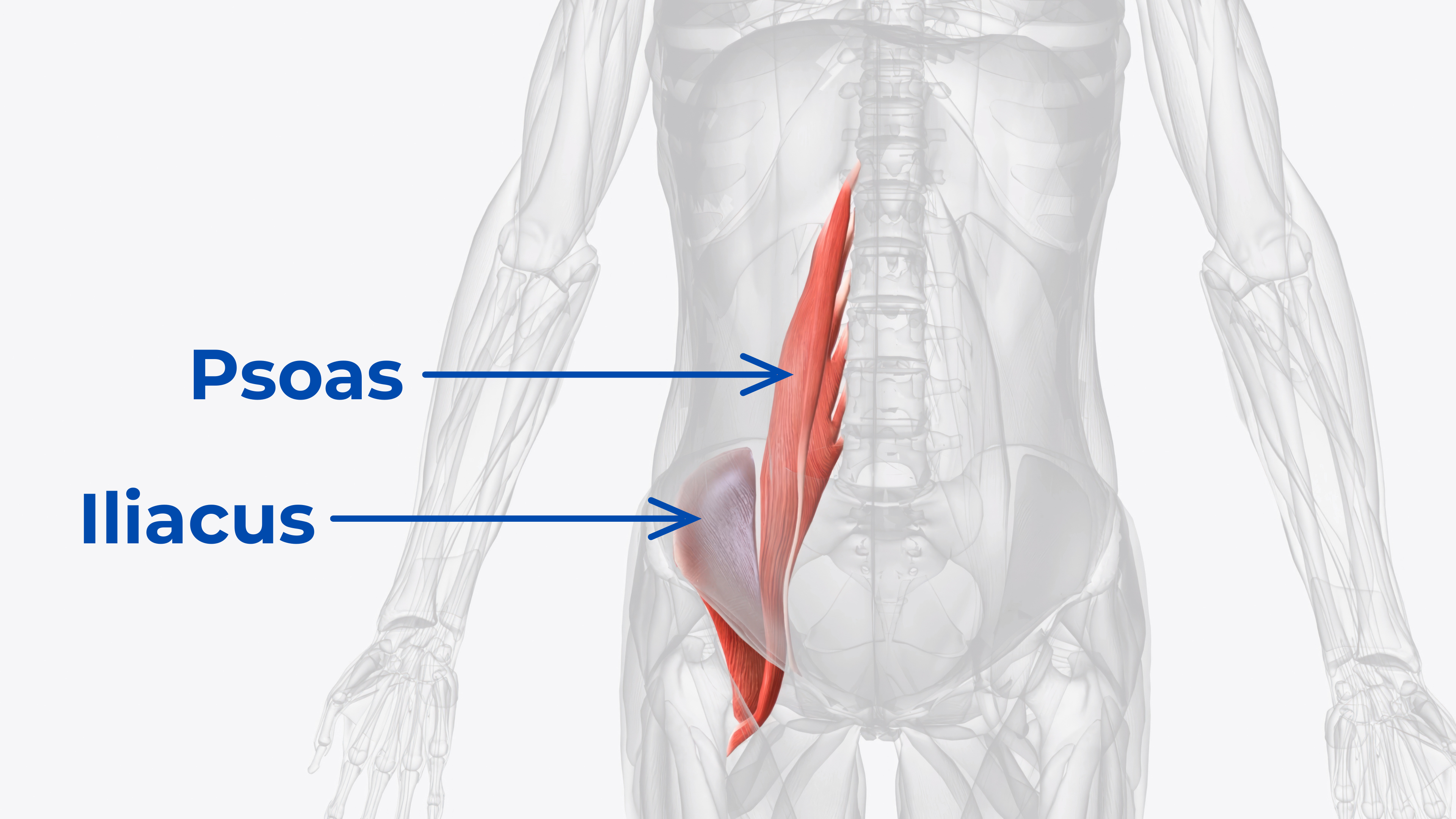 The psoas begins along the lower spine. The iliacus begins inside the hip bone. Both join near the upper femur.
The Iliopsoas Complex: Two Muscles, One Function
The psoas rarely works alone. It has a partner: the iliacus. The iliacus starts in the iliac fossa, the bowl-shaped inner surface of the hip bone. It joins the psoas tendon and ends at the same spot on the thigh bone.
Together they form the iliopsoas:
| Feature | Psoas Major | Iliacus |
|---|---|---|
| Origin | Lumbar spine | Iliac fossa (inside hip bone) |
| Insertion | Lesser trochanter (femur) | Lesser trochanter (femur) |
| Main job | Hip flexion; supports the lower spine | Hip flexion, alongside the psoas |
| Depth | Deep in the abdomen, along the spine | Inside the bowl of the hip bone |
They start on different bones and work together as one unit. A tight feeling cannot show which muscle is involved.
What the Psoas Does: Four Main Jobs
1. Hip Flexion (Primary)
The psoas is a strong hip flexor. Every time a knee lifts, it helps start the move. Walking. Running. Climbing stairs. Getting out of a chair.
2. Supporting the Lower Spine
The psoas attaches along the lower spine, so it helps support that area from the front while you move.
3. Twisting and Side Bending
The psoas helps you twist your trunk and bend to the side, working with nearby muscles like the QL and the obliques.
4. Working With Other Muscles
The psoas works with many trunk, hip, and leg muscles during standing and movement. It does not control posture by itself.
The Iliacus: The Quieter Half
Most talk about the psoas skips the iliacus, or lumps the two together as the hip flexors. But the iliacus is worth knowing on its own.
The psoas attaches to the spine. The iliacus attaches to the pelvis. They meet at the same spot on the thigh bone.
What Sitting Changes
Sitting bends the hip. Some people feel stiff after staying in one position, while others do not.
A desk day may include:
- Long periods with little change in position
- Standing up after a long block can feel stiff at first
- A tight feeling at the front of the hip
These feelings do not prove that a muscle has shortened or caused back fatigue. They are symptoms, not a diagnosis.
Simple Habits for the Front of the Hip
Nothing here is a treatment plan — just gentle, ordinary options:
1. More movement — walking, a standing desk, changing position often. Long stretches of stillness are the part worth breaking up.
2. Gentle stretching — a kneeling hip flexor stretch with the pelvis tucked, within comfort.
3. Light care if you like it — easy self-massage near the front of the hip. Keep it light and comfortable. Deep belly pressure is not a do-it-yourself move.
Stop anything that feels sharp, tingling, or spreading. See a clinician for symptoms that are strong, get worse, have no clear cause, or follow an injury.
The Bottom Line
The psoas and iliacus are two important muscles many people have never heard of. They are also simple to picture once you see where they live: one along the spine, one inside the hip bone, joined at the thigh.
Because they start on different bones, they are useful to name separately. A symptom still cannot identify one of them.
Knowing this anatomy will not fix anything by itself. But it makes the front of the hip far less mysterious — and it makes the simple habits easier to stick with.
Frequently Asked Questions
Iliopsoas is the shared name for the psoas major and iliacus. They join into one tendon near the thigh bone and work together to flex the hip. They begin on different bones.
It starts along the lower spine and ends at a bony point near the inside of the upper thigh bone. It travels deep through the trunk.
No. The psoas works with the iliacus and several other muscles to move the hip and trunk. No single muscle controls the whole area.
Mostly not. The psoas sits deep in the belly, right against the front of the lower spine, and a roller suits muscles nearer the surface. The iliacus sits inside the bowl of the hip bone. Rolling nearby areas like the quads can still feel good.
Not reliably from home — and you do not need to. Where it feels tight cannot prove which muscle is involved. Posture, strength, and habits all matter, and a stubborn pattern deserves an assessment rather than guesswork.
Keep it gentle. Try easy movement or a comfortable stretch. Do not press into the belly or inside rim of the hip bone. If symptoms persist or worsen, see a professional.

Nexus Health Tools writes simple guides about hips, posture, and daily movement.