


How to Choose a Psoas Release Tool: 5 Key Factors
Core Nexus
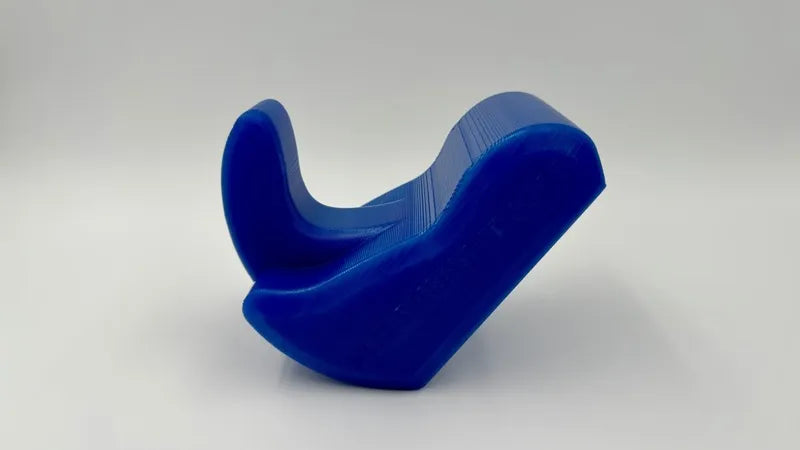
Two muscle-specific tips: a broad tip for the psoas, a narrow angled tip for the iliacus.
📖 In This Article
- Why Most Psoas Tools Disappoint
- Factor 1: Does It Target Both Muscles — Not Just One?
- Factor 2: Can It Actually Reach the Iliacus?
- Factor 3: Does It Stay in Place?
- Factor 4: Does the Design Support Movement-Based Release?
- Factor 5: Is It Durable for Regular Use?
- How the Top Tools Compare Across All 5 Factors
- See the REACH Test
- Our Recommendation
- The Bottom Line
- Frequently Asked Questions
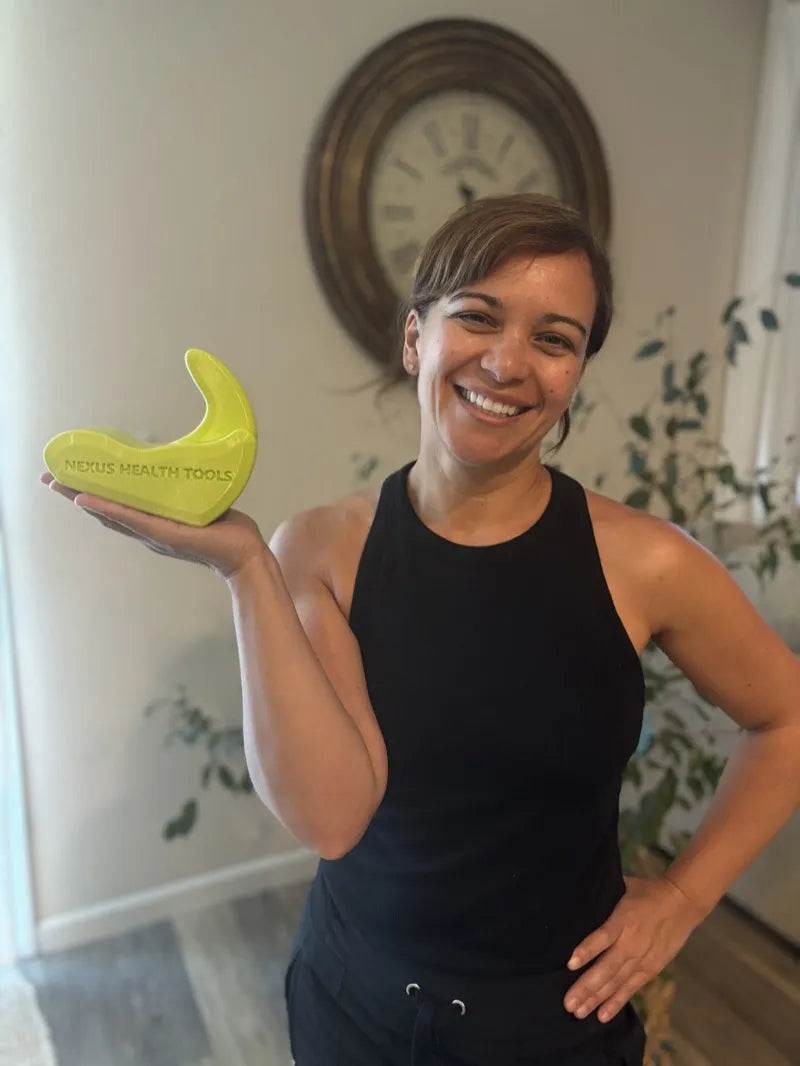 This comparison looks at five stated design factors. It does not compare medical outcomes.
Why Most Psoas Tools Disappoint
There are dozens of products sold as psoas release tools. Hooks. Balls. Two-pronged tools. Wedges. It is easy to pick one on price or reviews, use it a few weeks, and end up unsure whether it did anything.
Product pages can be hard to compare. Look at the tip shape and size. Check the base and moving parts. Read the material and warranty facts. These details can be more useful than reviews alone.
Here are five design factors used for this comparison.
Factor 1: Does It Target Both Muscles — Not Just One?
Start with what each tip is designed to contact.
The hip flexor group includes two deep muscles that matter here. The psoas runs along the lower spine, deep in the belly. The iliacus lines the inside of the hip bone. They join at the same spot on the thigh bone and work as a pair.
Most tools only handle one of them:
- Tools with matching broad tips (like the Pso-Rite): the tips reach the psoas. They are too wide to hook into the iliacus.
- Single narrow-tip tools (like the $199 Hip Hook by Aletha): the tip reaches the iliacus. Its small contact area cannot reach the psoas.
A tool designed to offer both contact patterns needs a different tip shape for each.
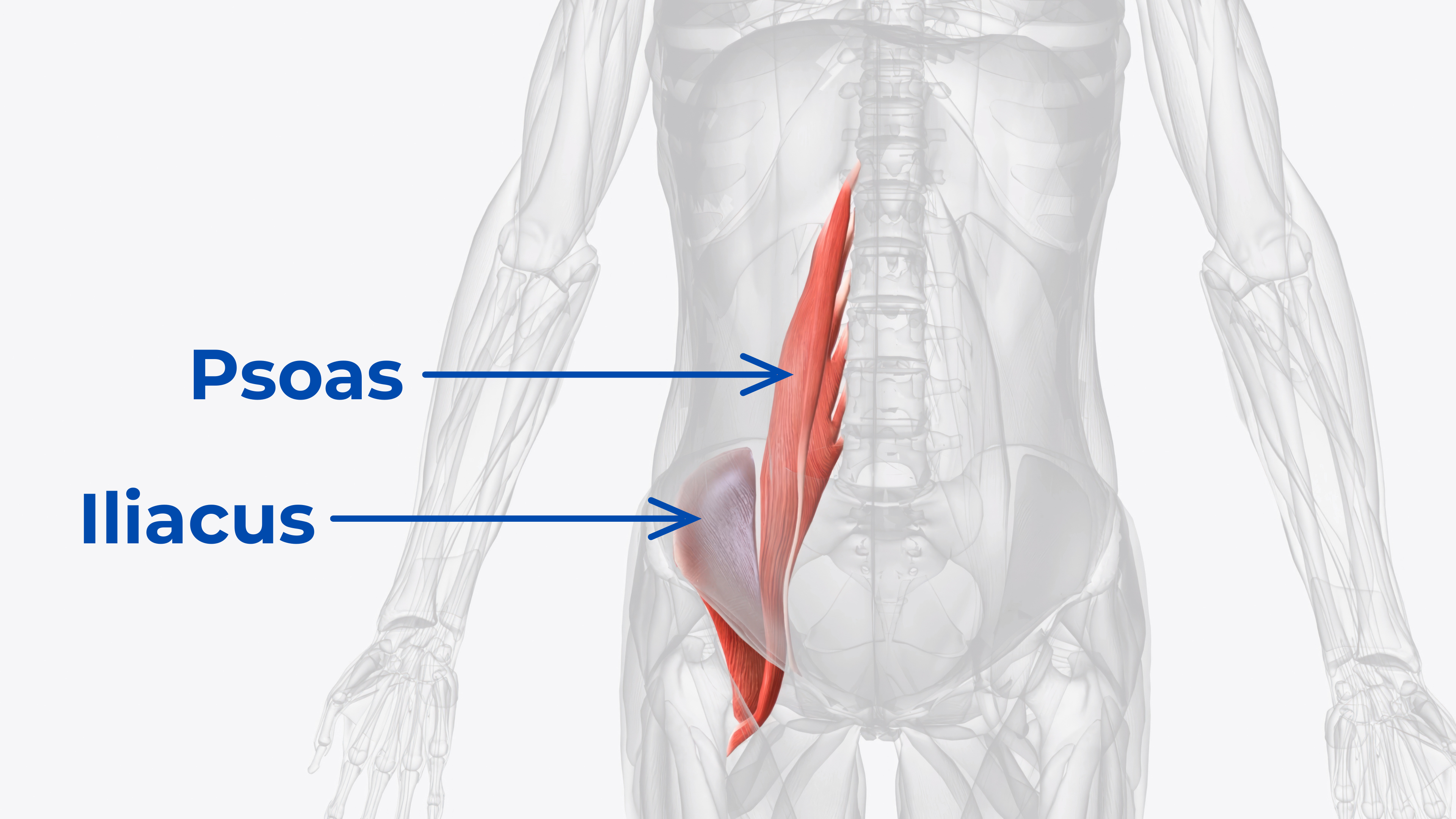 The psoas begins along the lower spine. The iliacus begins inside the hip bone. This comparison treats those locations as two different design targets.
Factor 2: Can It Actually Reach the Iliacus?
The iliacus lines the inside of the hip bone. That location creates a different design target from the psoas.
The iliacus sits in the iliac fossa, on the inner face of the hip bone. A narrow, angled tip can follow that curve more closely than a broad tip. Do not use extra force to make a tip fit.
This is a geometry comparison, not advice to apply deep pressure. Stop any use that causes pain, tingling, numbness, or spreading symptoms.
What to look for: A narrow, angled tip if iliacus-oriented contact is part of your buying criteria.
Factor 3: Does It Stay in Place?
Steady pressure needs a tool that holds position. A tool that rolls, slides, or shifts the second you lean on it makes that hard.
Round bases can roll or shift. A flat or contoured base may be easier to keep in one place. Do not use a ball or tool to press into the belly.
A flat, contoured base is one design approach to stability.
A base that sits level may need less repositioning. Test stability only as the maker directs.
What to look for: A base that feels stable during the maker's instructed use. Follow all safety directions and weight limits.
Factor 4: Does the Design Allow Movement?
Some tool designs allow the contact angle to change as the user moves. Others use fixed tips.
A rotating base can follow a change in body angle without requiring the user to reset the whole tool. This is a usability feature, not proof of a deeper or better medical result.
Fixed tips do not change angle on their own. A user may need to reset the tool when body position changes.
What to look for: Decide whether you want fixed tips or tips that can rotate. Follow the maker's instructions and keep all movement comfortable.
Factor 5: Is It Durable for Regular Use?
Check the maker's material, care instructions, stated weight limits, and warranty.
Core Nexus uses TPU, a material with some flex. Material alone does not prove comfort or lifespan.
A lifetime warranty is a plus on any tool meant to last. Check each maker's current policy before you buy.
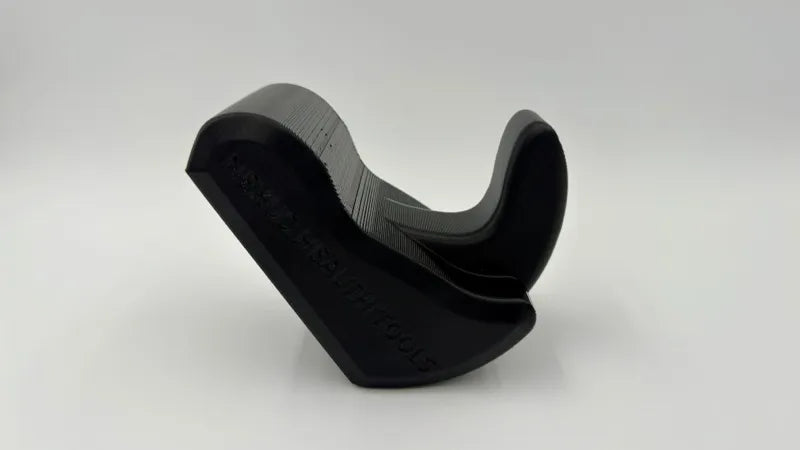 Core Nexus uses TPU and carries a lifetime warranty against manufacturing flaws.
What to look for: material, care directions, stated limits, and a clear warranty.
How the Top Tools Compare Across All 5 Factors
Here are the three tools people compare most, run through all five tests:
| Factor | Core Nexus | Pso-Rite | Hip Hook |
|---|---|---|---|
| Psoas-oriented contact design | ✔︎ | ✔︎ | ✘︎ |
| Iliacus-oriented contact design | ✔︎ | ✘︎ | ✔︎ |
| Distinct design for both locations | ✔︎ | ✘︎ | ✘︎ |
| Muscle-specific tip geometry | ✔︎ (dual distinct tips) | ✘︎ (identical tips) | ~ (single tip) |
| Reaches the iliacus | ✔︎ | ✘︎ | ✔︎ |
| Tip angle can change with movement | ✔︎ (self-rotating) | ✘︎ | ~ |
| Lifetime warranty | ✔︎ | ✔︎ | ✘︎ |
| Made in USA | ✔︎ | ✔︎ | ✔︎ |
Comparison scope: the three tools above, judged on the five factors in this article. Warranty and policy details change — check each maker's current terms before you buy.
See the Difference in the REACH Test
The REACH Test uses a true-to-scale hip model. It shows how each tool lines up with the psoas and iliacus.
- Core Nexus: reaches the psoas and iliacus.
- Pso-Rite: reaches the psoas but not the iliacus.
- Hip Hook: reaches the iliacus but not the psoas.
 REACH Test visualization. Anatomy model: Z-Anatomy, CC BY-SA 4.0. Illustrative, not medical advice.
See what each tool can reach.
The test compares the physical reach of each tip. It does not diagnose pain or promise a health result.
Our Recommendation
Core Nexus is the only one of these three tools that meets all five factors used here.
The Pso-Rite has matching broad tips and a lifetime warranty. Its tips reach the psoas but are too wide to hook into the iliacus. The tips are fixed.
The Hip Hook uses one narrow tip made for the iliacus area. It reaches the iliacus but cannot reach the psoas. Its first-party list price was $199 when this package was checked; a current offer may be lower.
Core Nexus has a wider psoas-oriented tip, a curved iliacus-oriented tip, and a base that lets each tip rotate. It is made from TPU and carries a lifetime warranty against manufacturing flaws.
The Bottom Line
The right tool depends on what matters to you. This article looks at tip shape, the base, moving parts, material, and warranty.
In this three-tool comparison, the Pso-Rite and Hip Hook each reach one of the two muscles. Core Nexus reaches both and is the only one that meets all five design factors used here.
No product or article can tell you which muscle is causing a symptom. Seek qualified care for pain or persistent concerns.
Want two different tip shapes on one base?
 Buy on Amazon
Frequently Asked Questions
That depends on what you want. Look at the tip shape and size. Check the base, moving parts, material, and warranty. No feature can promise a health result.
The iliacus sits inside the bowl of the hip bone. A broad tip is too wide to hook into that area. The REACH Test shows why a narrower, angled tip is needed.
The Pso-Rite has two matching broad tips and a lifetime warranty. Its tips reach the psoas but are too wide to hook into the iliacus.
The Hip Hook reaches the iliacus. Its narrow tip and small contact area cannot reach the psoas. Core Nexus uses a different tip shape for each area.
A rotating tip can change its angle as the user moves. That is a design and use feature. It does not prove a better health result or copy clinical care.
Check the material and build. Read the care guide and limits. Check the current warranty before you buy.
That varies from person to person, and no tool should promise a result. Tip shape limits what a tool can reach; it does not decide how your body responds. Keep sessions gentle, let comfort guide you, and see a clinician for anything painful or persistent.

Nexus Health Tools designs hip mobility tools in the USA and writes simple guides about hips, posture, and daily movement. This article compares our own product alongside two others.